Upstairs is hotter than downstairs because warm air rises, the second floor sits directly under the attic, and in most homes one thermostat downstairs controls the whole house. The lasting fix is to cut the heat coming through the upstairs ceiling with air sealing and attic insulation, then improve how air is delivered and returned upstairs.
Why is my second floor always hot?
Four things stack up against the second floor.
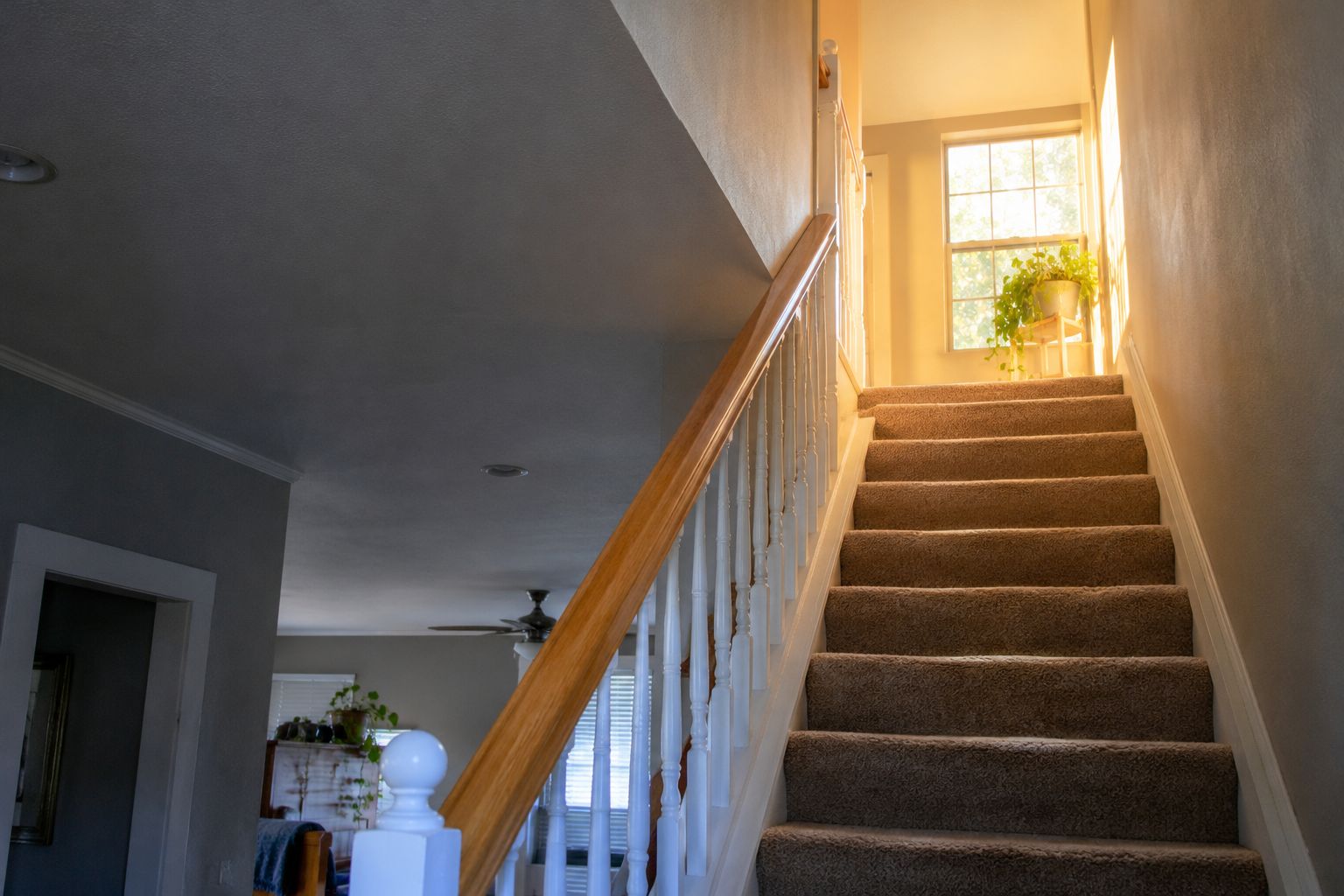
- Heat rises. Warm air from downstairs drifts up the stairwell all day and cool air sinks back down it.
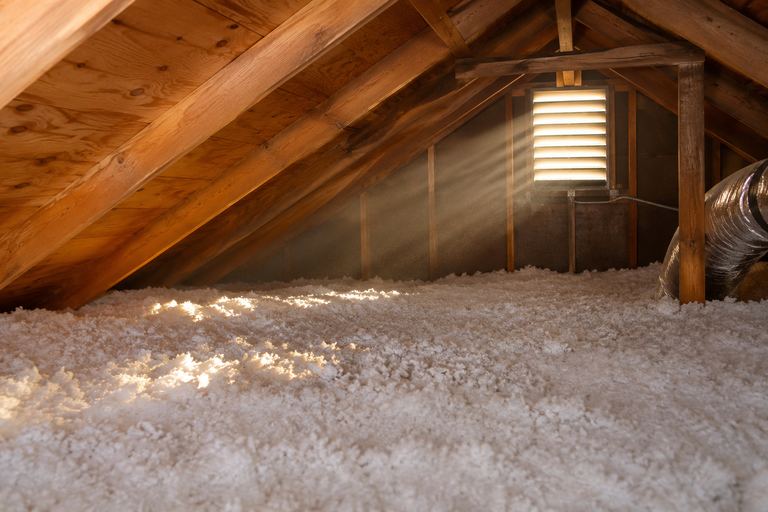
- The attic is right above. On a summer afternoon the attic can be 130 degrees or more. The upstairs ceiling is the only thing between that and your bedrooms, and any thin or missing insulation shows up immediately.
- The thermostat is downstairs. It is satisfied when the first floor is comfortable and shuts the system off while upstairs is still several degrees warmer.
- The ducts are working against you. Air for the second floor often has to travel farther, sometimes through that same hot attic, and many upstairs areas have too few return vents to pull the warm air back out.
Why is upstairs hot even with the AC on?
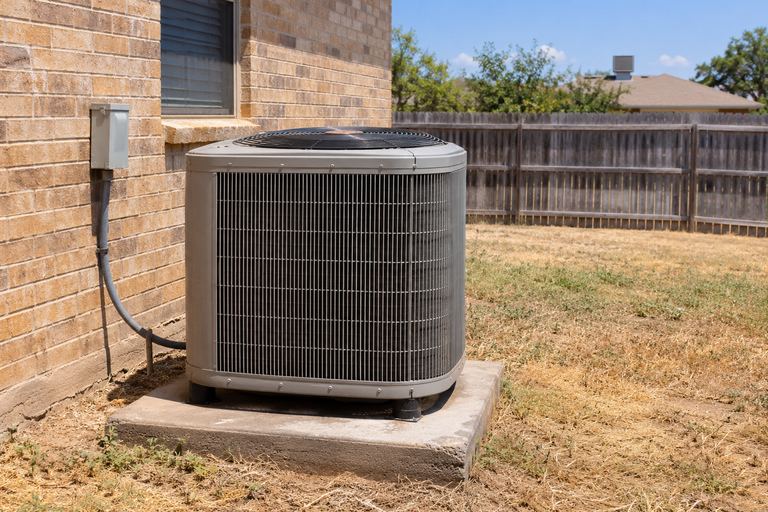
If the system is running and upstairs bedrooms still will not cool down, the heat is arriving faster than the air conditioner can remove it. That is a load problem more than an equipment problem. Check these:
- Attic insulation depth. If you can see the tops of the ceiling joists, there is not enough.
- Attic ducts. Loose connections, crushed flex duct and torn insulation jackets are common. Cooled air leaking into the attic never reaches the bedrooms.
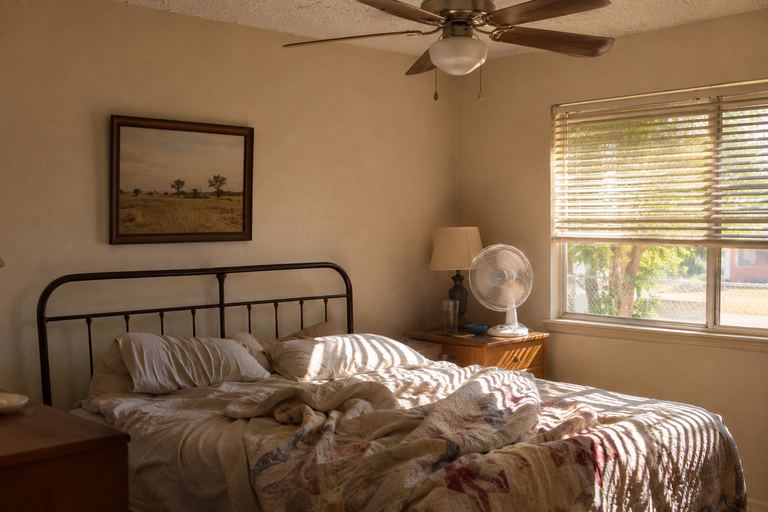
- Return air. With bedroom doors closed and only one return in the hallway, the rooms cannot exhale, so they cannot take in new air either.
- Recessed lights and the attic hatch. Each one is a hole that lets attic heat straight into the upstairs hall.
- West-facing windows. Upstairs windows are rarely shaded by trees or porches.
How to cool down upstairs today
None of these cost more than a few dollars.
- Set the thermostat fan to "on" in the late afternoon and evening. Running the blower continuously mixes upstairs and downstairs air and can narrow the gap by a few degrees.
- Close upstairs blinds by late morning on the sunny side.
- Partly close a few downstairs registers in summer so more air is pushed up. Close them halfway, not fully, and only a few.
- Keep upstairs bedroom doors open during the day so air can return to the system.
- Run ceiling fans in occupied rooms.
- Change the filter. Low airflow hurts the far end of the system first, and upstairs is the far end.
How to fix uneven cooling in a two-story house
For a permanent fix, deal with the heat source first and the air delivery second.
1. Seal and insulate the attic
This is the single biggest improvement for a hot second floor. Sealing the gaps in the upstairs ceiling and bringing the attic up to a full, even depth of insulation cuts the heat coming down into the bedrooms through the hottest part of the day. For attics in our climate, roughly R-38 to R-49 is the usual target.
2. Insulate kneewalls and bonus-room floors
Upstairs rooms built into the roofline have short walls with hot attic space right behind them. Those walls, and the floor over a garage, are frequently uninsulated or poorly sealed.
3. Fix the ductwork
Seal the joints, straighten crushed runs and add return air upstairs where it is missing.
4. Consider zoning or a second system
A zoned system with its own upstairs thermostat, or a small ductless unit for the second floor, lets you cool upstairs without freezing downstairs. Do this after the insulation work, because the equipment can then be smaller.
Our insulation team can check the attic and kneewalls and show you what is there now.
Hot upstairs, cold downstairs in winter
The pattern often continues in winter: upstairs is stuffy and downstairs is chilly. Heated air rises to the second floor and leaks out through the ceiling into the attic, and cold outside air is drawn in at the first floor to replace it. Air sealing the upstairs ceiling slows that whole loop, which is why the same work helps in both seasons.
Frequently asked questions
How much hotter should upstairs be than downstairs?
A difference of two to four degrees is typical in a two-story home with one system. If upstairs runs eight or ten degrees warmer on a summer afternoon, insulation, ductwork or both need attention.
Should I close downstairs vents in summer to cool upstairs?
Partly closing a few can help. Do not close them all the way or close too many, because the added pressure increases duct leakage and can reduce total airflow across the coil.
Will an attic fan cool my upstairs?
Attic ventilation helps the attic shed heat, but it does not replace insulation. If the upstairs ceiling has air leaks, a powered attic fan can also pull cooled air out of the house. Seal and insulate first.
Does more attic insulation help if my AC is undersized?
Yes. Reducing the heat coming through the ceiling lowers the load the system has to handle, which is often enough for an existing system to keep up.