To reduce noise between rooms, do three things in order: seal the gaps (under doors, around outlets, along baseboards), fill the hollow wall or ceiling cavity with insulation, and add mass with a second layer of drywall. For outside noise, windows and doors are the weak points. True soundproofing is rarely practical in a house, but a large, noticeable reduction is.
Why you can hear everything through the walls
Most interior walls are two sheets of half-inch drywall on either side of an empty stud cavity. That is a drum. Sound on one side vibrates the first sheet, the air in the cavity carries it across, and the second sheet plays it into the next room. Interior walls are almost never insulated when a house is built.
Then add the shortcuts sound takes around the wall:
- The gap under the door and a hollow-core door that is little more than cardboard inside.
- Outlets placed back to back in the same stud bay.
- Gaps at the floor and ceiling hidden behind trim.
- Shared ductwork that works like a speaking tube between rooms.
Sound behaves like water: it goes through the largest opening first. A wall with a one percent gap can lose a big share of its sound blocking, which is why sealing comes before anything else.
How to make a bedroom quieter this weekend
- Seal the door. Add a door sweep and adhesive weatherstripping around the frame. This is often the single biggest improvement.
- Replace a hollow-core door with a solid-core one.
- Caulk the gaps along baseboards and around window and door trim with flexible acoustic sealant.
- Add foam gaskets behind outlet and switch covers on the shared wall.
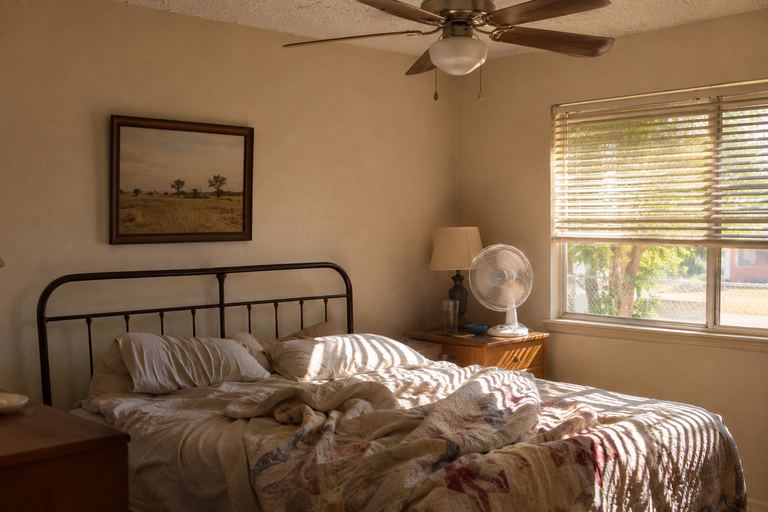
- Soften the room. Rugs, heavy curtains, upholstered furniture and full bookshelves absorb sound inside the room. A bookcase against the shared wall also adds mass.
- Use steady background sound such as a fan or white noise to mask what is left.
How to make walls less noisy for good
When quick fixes are not enough, the wall itself has to change. From least to most involved:
1. Insulate the cavity
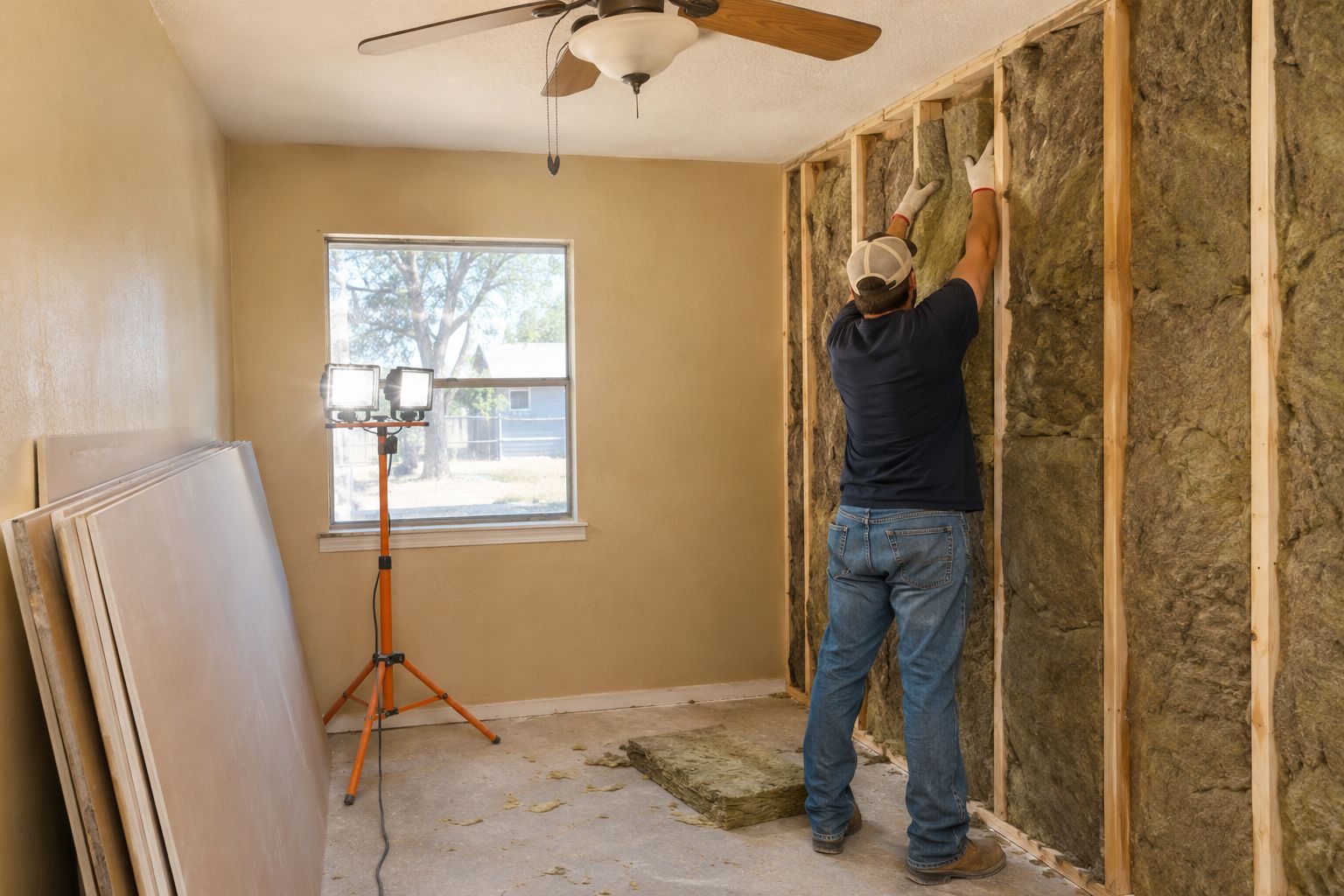
Filling the stud bays with fiberglass or mineral wool absorbs sound inside the wall and takes away the drum effect. In an existing wall this can be done with blown-in insulation through small holes that are patched afterward, with no demolition.
2. Add a second layer of drywall
Mass blocks sound. A second layer of 5/8-inch drywall over the existing wall, with a sound-damping compound between the layers, makes a clear difference to voices and television.
3. Decouple the wall
For the best result, the drywall is hung on resilient channel or sound isolation clips so it is not rigidly attached to the studs. Vibration cannot pass directly through the framing. This is the approach for a bedroom next to a media room or a nursery beside a living room.
4. Seal everything
Acoustic sealant at the perimeter and putty pads around electrical boxes keep the new wall from being bypassed.
We do all four as part of our insulation and drywall work, and finish with matched texture and paint.
How to soundproof a bedroom or home office
For a bedroom, decide which direction the noise comes from and treat that surface first: the shared wall with the living room, the door to the hall, or the window to the street.
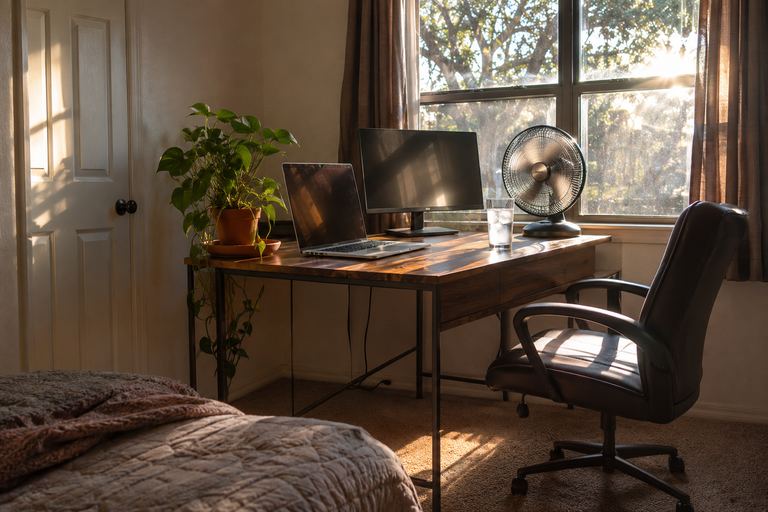
To soundproof a home office, think in both directions. You want household noise kept out, and you want your calls kept in. The door is nearly always the weak point, followed by the wall shared with the busiest room. A solid-core door with seals, an insulated shared wall with a second layer of drywall, and a rug and soft furnishings to cut echo on calls will cover most home offices.
If you are building or remodeling, insulate the interior walls around bedrooms, bathrooms, the laundry and the office while the framing is open. It is inexpensive at that stage and difficult to regret.
Noise coming through the ceiling: how to stop noise from upstairs
Noise from upstairs comes in two kinds. Airborne noise such as voices and music is handled the same way as a wall. Impact noise such as footsteps and dropped objects travels through the floor structure itself and is harder to stop.
- From above: thick rugs with dense pads make the biggest difference to footsteps for the least money. When flooring is replaced, an acoustic underlayment helps.
- From below: insulate the joist cavities, then hang new drywall on resilient channel or isolation clips so the ceiling is decoupled from the joists. Seal around light fixtures.
Recessed lights are holes in the ceiling. Sealed, insulation-rated fixtures or surface-mounted lights let far less sound through.
How to block outside noise and reduce traffic noise in the house
Exterior walls are much heavier than interior walls, so outside noise mostly comes in through the openings.
- Windows. Single-pane and loose-fitting windows let in the most noise. Sealing gaps helps; interior storm panels or replacement windows help far more.
- Doors. Weatherstrip exterior doors and replace hollow or warped ones.
- Air leaks. Wherever air gets in, sound gets in. Sealing for drafts also quiets the house.
- Attic and wall insulation. A well-insulated attic noticeably cuts aircraft, wind and road noise coming through the ceiling, and insulating empty exterior walls reduces traffic noise.
- Outside the house. A solid privacy fence and dense planting between you and the road take the edge off.
Frequently asked questions
Does insulation reduce noise between rooms?
Yes. Insulation in a wall or ceiling cavity absorbs sound that would otherwise resonate in the hollow space. On its own it gives a moderate improvement; combined with sealing and an extra layer of drywall the difference is substantial.
What is the cheapest way to soundproof a room?
Seal the gaps. A door sweep, weatherstripping around the door frame, and caulk at the baseboards and outlets cost very little and often make the most noticeable difference per dollar.
Can you soundproof an existing wall without tearing it out?
You can improve it considerably. Insulation can be blown into the cavity through small holes, and a second layer of drywall with damping compound can be added over the existing surface.
Do acoustic foam panels block sound?
No. Foam panels reduce echo inside a room, which is useful for calls and recording, but they do little to stop sound passing through a wall. Blocking sound takes sealing, mass and insulation.