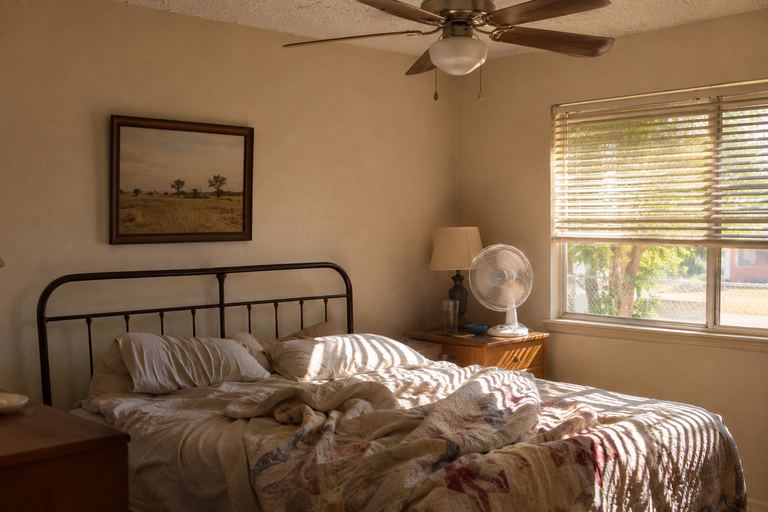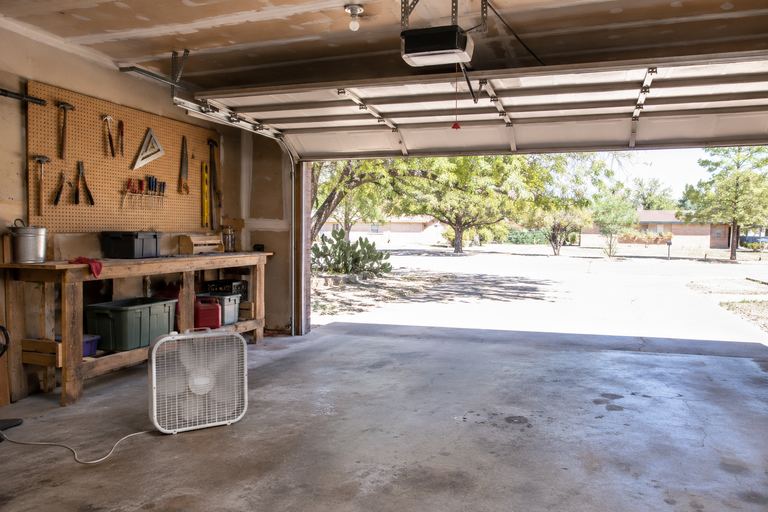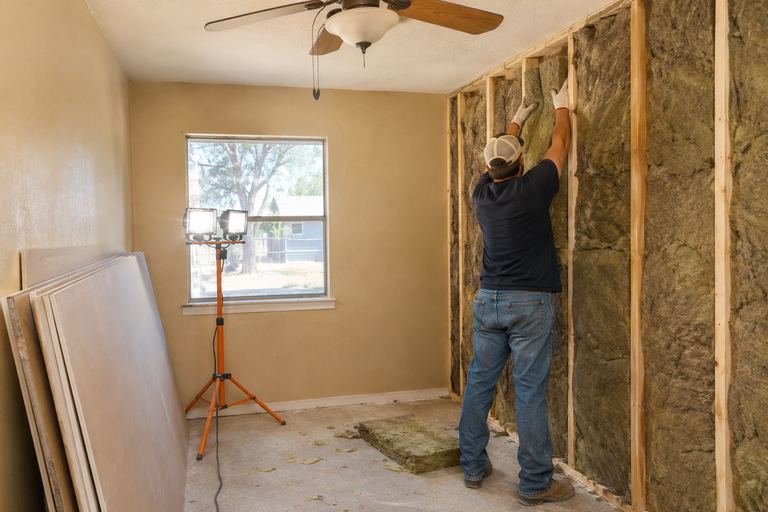
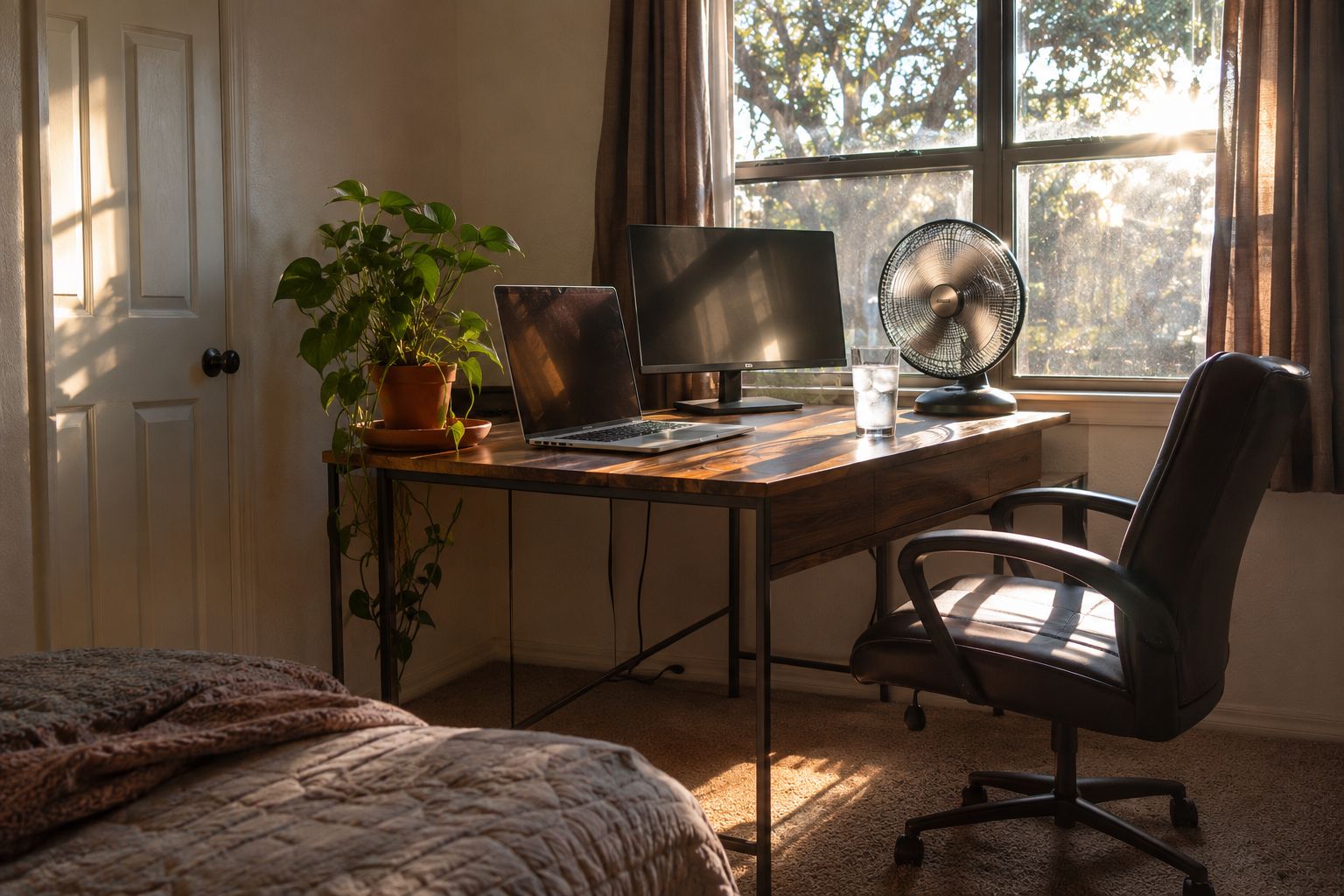
A home office or bedroom is usually uncomfortable for a combination of reasons: it is a small room with the door closed, it has afternoon sun on the window, it holds people and electronics that give off heat, and it is often over the garage or at the end of the duct run. Shade the window, give the air a way out of the room, and check the insulation above and below it.
Why is my home office too hot?
A spare bedroom was designed for someone sleeping in it at night with the lights off. Turn it into an office and the load changes completely:
- Equipment. A desktop computer, two monitors, a printer and a few chargers can put out as much heat as a small space heater, all day.
- You. A person at a desk adds about as much heat as a 100-watt bulb.
- A closed door. Shutting the door for calls traps that heat and chokes off the air supply, because the air has no path back to the return.
- Daytime sun. You are in the room during the hours the sun is on it.
The room was given one small supply vent sized for a bedroom. It was never set up for this.
How to cool down a home office
- Shade the window from late morning. Blinds help; solar screens or window film on the outside of the glass help more.
- Give the air a way out. Leave the door open when you can. If you need it shut, have the door undercut or a transfer grille installed so air can return to the system.
- Move the heat sources. Put the computer tower where air can get around it, switch off equipment you are not using, and replace any old incandescent or halogen bulbs.
- Use a small fan aimed at you.
- Check the vent. Make sure it is fully open and not behind a bookcase.
- Run the system fan on "on" or "circulate" during work hours to keep air mixing through the house.
Bedroom gets hot in the afternoon
If a bedroom is fine in the morning and hot by 4 p.m., the sun is doing it. West-facing rooms take low, direct sun for hours, and the wall and ceiling keep releasing that heat into the evening.
Why is my bedroom hotter than the living room?
The living room is central, open to the rest of the house and usually close to the thermostat. Bedrooms are on the outside corners with more wall and window exposed, at the far end of the ducts, and closed off behind a door.
How to keep a bedroom cool at night
- Close the blinds before the sun reaches the window, not after the room is hot.
- Pre-cool: run the system fan continuously for an hour before bed.
- Run the ceiling fan counterclockwise on medium.
- Leave the door open a few inches.
- Have the attic insulation over the room checked. A hot ceiling at bedtime means the attic is still unloading the day's heat into the room.
Room above the garage too hot or too cold
Bonus rooms over garages are the hardest rooms in any house. They are surrounded by unconditioned space on almost every side:
- Below: the garage, which is as hot or cold as outdoors. The floor insulation is often thin, sagging or not touching the subfloor, so outside air moves freely between the two.
- Beside: short kneewalls with attic space behind them.
- Above: a sloped ceiling right under the roof with very little room for insulation.
- Far away: usually the longest duct run in the house.
That is why the room above the garage is too hot in summer and too cold in winter. The fix is to treat it as its own envelope: fill and air seal the floor cavity, insulate and seal the kneewalls, insulate the slopes properly, and seal the ducts. Insulating the garage itself helps as well. See how to cool down a garage.
Why is my home office always cold?
In winter the picture flips. Sitting still for hours makes you far more sensitive to cool air and cold surfaces than someone moving around the house. A room with two outside walls, a large window, or a floor over a garage or crawl space has cold surfaces on several sides, and a desk beside the window puts you right in the downdraft off the glass.
Move the desk away from the window if you can, seal the drafts at outlets and trim, and have the walls and floor checked for insulation.
How to regulate the temperature in one room
To fix hot spots in a house, work in this order:
- Shade and airflow as described above.
- Balance the ducts so more air reaches the problem room.
- Seal and repair the duct serving the room.
- Air seal and insulate the ceiling above it, and any kneewalls or garage ceiling beside or below it.
- Add a ductless mini split if the room still needs its own control. This gives the room its own thermostat and is the surest way to regulate a single room, but it costs the most to buy and run. Do the envelope work first so the unit can be small.
Our insulation services page covers the materials we use for ceilings, kneewalls and floors.
Frequently asked questions
How do I cool one room without lowering the whole house?
Shade the window, improve airflow by opening the door or adding a return path, and have the ducts balanced. If the room still needs more, a ductless mini split gives it independent control.
Does closing the door make a room hotter?
In most homes, yes. With no return vent in the room, a closed door stops air from leaving, which stops new conditioned air from entering. An undercut door or transfer grille solves it.
Can you insulate a room over a garage after the house is built?
Yes. Insulation can be blown into the floor cavity from the garage ceiling, kneewalls can be insulated and sealed from the attic side, and the access points are patched afterward.
Will window film help a hot office?
On a sun-facing window, yes. Solar control film or exterior solar screens can block a large share of the sun's heat before it enters the room, and they cut glare on screens.