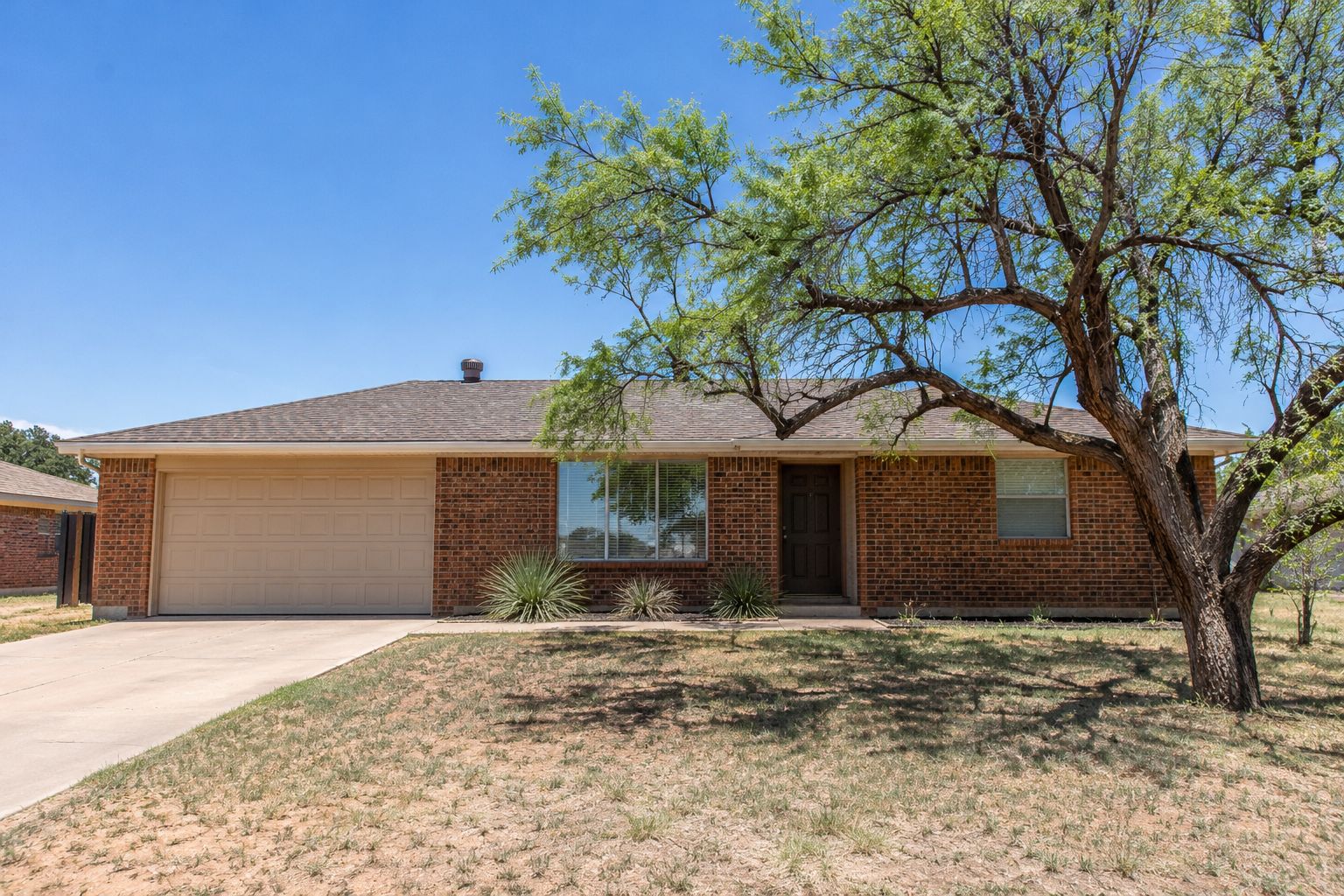
A house gets too hot in summer because heat is coming in faster than it is being removed. In West Texas the biggest sources are the attic and ceiling, sun through windows, and hot air leaking in through gaps and ductwork. Shade the glass, seal the leaks and insulate the attic, in that order of cost, and the house will stay cooler with less AC.
Why is my house so hot? Where the heat comes from
Think of the house as a cooler sitting in the sun. How long the ice lasts depends on the lid, the walls and how often it gets opened.
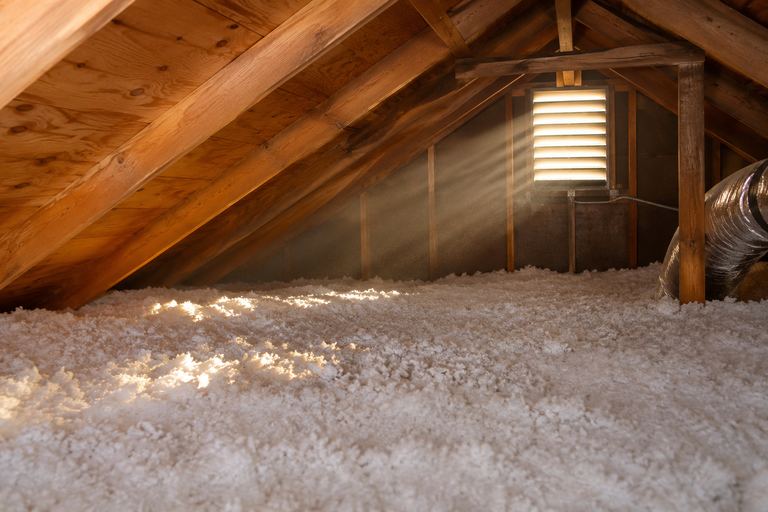
- The roof and attic. The roof takes direct sun from mid-morning to evening. Shingles can reach 150 degrees or more and the attic underneath commonly passes 130. That heat pushes down through the ceiling over the entire footprint of the house.
- Windows. Sunlight passing through glass turns into heat inside the room and cannot easily get back out. West and south windows are the main culprits.
- Air leakage. Hot outside air comes in around doors, windows, plumbing and wiring holes and, above all, through leaks in attic ductwork.
- Walls. Brick and siding heat up in the sun and conduct it inward, more so where wall cavities are empty.
- Heat made indoors. Cooking, clothes dryers, hot showers, lights and electronics.
Why the house heats up during the afternoon
The outdoor temperature peaks around 4 or 5 p.m., but the roof has been collecting heat since morning. By mid-afternoon the attic is at its hottest, the west windows are in full sun, and the AC has been running for hours. Everything peaks at once, which is why a house that is comfortable at noon can be three or four degrees over the setpoint by dinner.
If the house heats up during the afternoon every day, the attic and the west side are where to focus.
Why is my ceiling so hot?
Reach up and touch the ceiling at 5 p.m. on a hot day. If it feels warm, heat is coming through from the attic. A properly insulated ceiling should feel close to room temperature.
A hot ceiling means one or more of these:
- The insulation is too thin. Many older homes have three to six inches where a foot or more is recommended for our climate.
- The insulation has gaps, has been pushed aside for wiring or ductwork, or has been flattened by storage or foot traffic.
- Air is leaking through the ceiling at light fixtures, the attic hatch and the tops of walls.
How to stop heat coming through the ceiling
- Air seal the attic floor so hot attic air cannot move into the house.
- Add insulation to a full, even depth. Roughly R-38 to R-49 is the usual target for attics in our climate zone.
- Insulate and weatherstrip the attic hatch.
- Consider a radiant barrier under the roof deck to reflect heat before it reaches the insulation.
- Make sure the attic is ventilated so it can shed heat. See why is my attic so hot.
Why does my house hold heat and stay hot at night?
Brick, concrete, drywall and furniture all store heat. After sunset they release it back into the rooms for hours. The attic does the same: it can stay well above the outdoor temperature until midnight, still pushing heat down through the ceiling long after the sun is gone.
That is why a house stays hot at night even when it has cooled off outside. A well-insulated attic slows the flow enough that the AC can catch up in the evening instead of chasing it until morning.
How to keep your house cool in summer
To reduce heat inside the house, start with the free steps and work up.
Free or nearly free
- Close blinds and curtains on sunny windows before the sun reaches them.
- Cook outside or use the microwave on the hottest days, and run the dryer and dishwasher at night.
- Run bath and kitchen exhaust fans to remove heat and humidity, then turn them off.
- Use ceiling fans in rooms you are in.
- Change the AC filter monthly in peak season.
- Open the house at night only when it is actually cooler outside than in.
Low cost
- Weatherstrip doors and caulk around windows.
- Install solar screens or window film on west and south windows.
- Plant shade on the west side, or add an awning.
Worth the investment
- Attic air sealing and insulation.
- Duct sealing and repair.
- Blown-in insulation in empty exterior walls.
- A light-colored or reflective roof when the roof is due for replacement.
House too hot even with the AC running
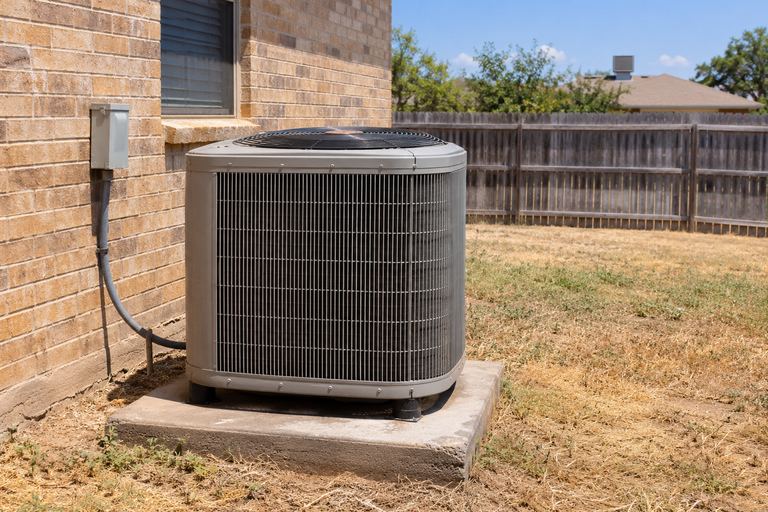
If the AC is on and blowing cold air but the house is still too hot, the equipment is being outrun. Either the heat gain is too high for the system or cooled air is being lost in the ducts before it gets to you. Both point back to the attic. We cover the checks in detail in why does my AC run all day.
Frequently asked questions
What is the fastest way to cool down a hot house?
Block the sun at the windows, run ceiling fans, and avoid adding heat from cooking and laundry. Make sure the AC filter is clean and all vents are open. These help within the hour; insulation and air sealing are what change it permanently.
Does attic insulation keep a house cooler in summer?
Yes. Insulation slows heat moving in either direction. In summer it keeps attic heat from coming down through the ceiling, which is the largest source of heat gain in most single-story homes here.
Why is my house hotter inside than outside in the evening?
The roof, attic, brick and interior surfaces stored heat all day and are still releasing it after the outside air has cooled. More insulation and better attic ventilation shorten that lag.
Do radiant barriers work in West Texas?
They perform best in hot, sunny climates with ductwork in the attic, which describes most homes here. They reduce the radiant heat reaching the attic floor and work alongside insulation, not in place of it.