
Heating and cooling make up roughly half of a typical home's energy use, and more than that during a San Angelo summer. If your electric bill is high, the house is most likely letting heat in faster than the air conditioner can remove it: thin attic insulation, air leaks and leaky ducts are the usual reasons. Rate changes and an aging AC system come next.
Why is my electric bill so high?
Start by separating the two things that make up a bill: how much electricity you used (kilowatt-hours) and what you paid for each one. Your bill shows both. Compare them with the same month last year.
- Usage is up: the house or the equipment is the problem. Keep reading.
- Usage is flat but the bill is higher: your rate changed.
If usage is up, these are the common reasons a house uses so much electricity:
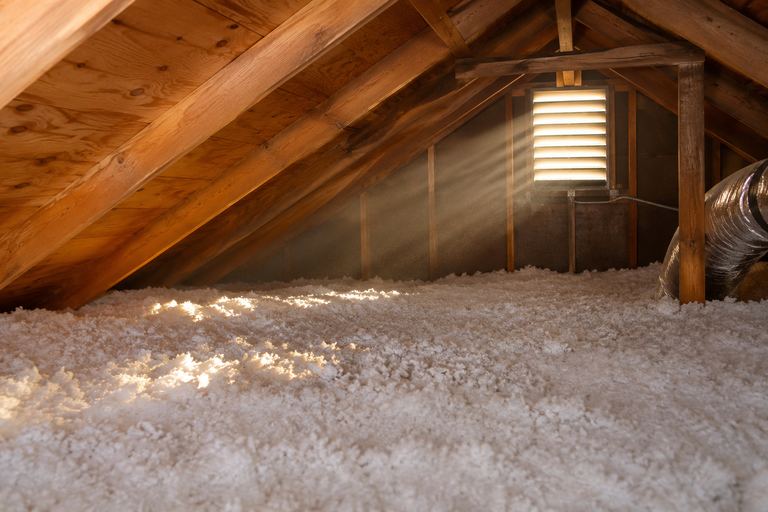
- Not enough attic insulation. Heat pours through the ceiling all afternoon and the AC never gets a break.
- Air leaks. Gaps around light fixtures, plumbing, the attic hatch, doors and windows let hot air in and cooled air out.
- Leaky ducts. Ducts in a hot attic that leak at the joints can dump a large share of your cooled air before it reaches a room.
- An old or struggling AC. Dirty coils, low refrigerant or a worn system uses more power to do the same work.
- A dirty filter. Restricted airflow makes every cycle longer.
- Thermostat settings. Each degree lower in summer adds noticeably to run time.
- Water heating. An electric water heater set high, or one with a failing element, is a quiet contributor.
- Extra loads. A second refrigerator in a hot garage, a pool pump, space heaters or a new home office all add up.
- Weather. A hotter than usual month simply means more hours of cooling.
Why is my energy bill increasing when nothing changed?
Two things creep up without anyone touching the thermostat.
Your rate. San Angelo is in the deregulated part of Texas, so you choose a retail electricity provider. When a fixed-rate contract ends, many plans roll onto a month-to-month variable rate that can be much higher. Check the contract end date on your bill; shopping for a new plan is often the fastest saving available.
Your house. Insulation settles and gets disturbed, duct tape and mastic dry out, weatherstripping flattens, and AC efficiency drifts down as coils get dirty. None of it is sudden, so the bill just rises a little every summer.
How to reduce AC costs without being miserable
These cost little or nothing:
- Change the filter every one to three months in summer.
- Raise the setpoint a couple of degrees and use ceiling fans in occupied rooms. Moving air lets most people feel comfortable at a higher temperature. Turn fans off when you leave; they cool people, not rooms.
- Block afternoon sun. Close blinds on west and south windows before the heat of the day.
- Use a programmable thermostat to let the house drift a few degrees while everyone is out, rather than shutting the system off completely.
- Move heat-making chores to the evening: oven, dryer and dishwasher.
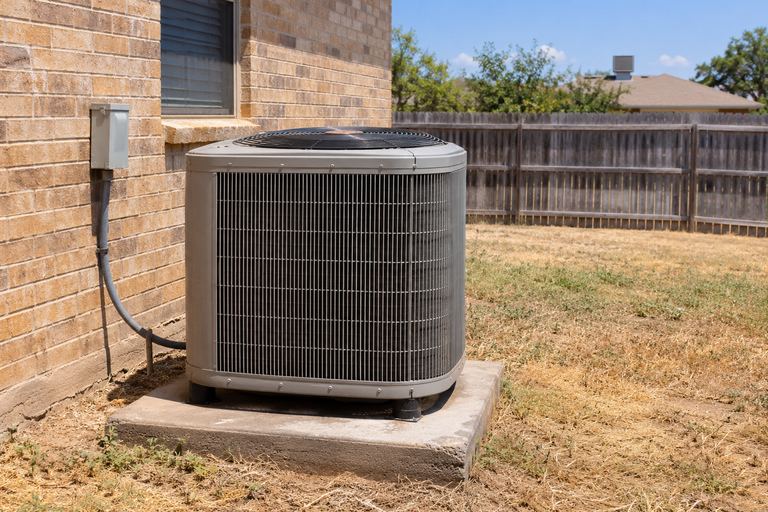
- Rinse the outdoor unit gently with a hose and keep grass and weeds a couple of feet back from it.
- Have the system serviced by an HVAC technician before summer.
How to keep the house cool without running the AC
On mild spring and fall days, and on cooler summer nights, open windows on opposite sides of the house after sunset to flush out the day's heat, then close everything up before the sun gets on the walls. Shade is the other free tool: exterior shade on west windows does more than interior blinds because it stops the heat before it gets through the glass.
Home energy efficiency improvements that pay back
If you want to make the home more energy efficient for good, spend money in this order. It follows where the heat actually gets in.
- Air sealing. Sealing the holes in the ceiling plane, around plumbing and wiring, and at the attic hatch is cheap and makes every other improvement work better.
- Attic insulation. Many older San Angelo homes have a few inches where current recommendations for our climate call for roughly R-38 to R-49, which is a foot or more of blown-in insulation. ENERGY STAR estimates that air sealing plus insulation saves a typical home around 15 percent on heating and cooling.
- Duct sealing. Especially when the ducts run through the attic.
- Window shading. Solar screens or film on west and south glass.
- Equipment. Replace the AC when it is at the end of its life, after the house itself has been tightened up. A well-insulated home can often use a smaller, cheaper system.
We handle the first two. See our insulation services or claim the free insulation assessment.
How to lower the heating bill in winter
The same leaks that let heat in during July let it out in January. Warm air rises and escapes through the ceiling, and cold air is pulled in low to replace it. Air sealing and attic insulation cut heating costs for the same reason they cut cooling costs.
If you heat with a heat pump, check that the thermostat is not calling for auxiliary or emergency heat more than necessary. Those electric strips use several times the power of the heat pump itself, and large setbacks at night can trigger them every morning.
Frequently asked questions
What uses the most electricity in a house?
Heating and cooling, by a wide margin, followed by water heating. In a West Texas summer, air conditioning alone can be well over half the bill.
How much can insulation lower my electric bill?
It depends on what you have now. ENERGY STAR estimates about 15 percent savings on heating and cooling for a typical home from air sealing and insulation together. Homes that start with very little attic insulation usually see more.
Is it cheaper to leave the AC on all day or turn it off?
Letting the temperature rise a few degrees while you are out and bringing it back down before you return uses less energy than holding it steady. Turning it off entirely on a 100-degree day lets the whole house heat up and can take hours to recover.
Why is my cooling bill so high in a newer home?
Newer homes are not immune. Insulation can be uneven, ducts can leak, and large west-facing windows add a lot of heat. An attic and duct check will show whether the house is performing the way it was designed to.