
When one room is hotter than the rest of the house, the cause is almost always one of three things: thin or missing insulation above that room, weak airflow from a long or leaky duct run, or direct sun on its walls and windows. The same weak spots usually make that room the coldest one in winter. Most of them can be checked in about 15 minutes, and most can be fixed without replacing your air conditioner.
Why Is One Room Hotter Than the Rest of the House?
Your thermostat only reads the temperature in the hallway where it hangs. Once that spot reaches the set point, the system shuts off — even if the back bedroom is still five degrees behind. So any room that gains heat faster than the others, or gets less air than the others, never catches up. Three things put a room in that spot.
Thin or Missing Attic Insulation Above the Room
On a San Angelo summer afternoon, the attic over your ceiling runs well past 130°F. The only thing between that heat and your bedroom is the insulation lying on top of the drywall. The Department of Energy recommends roughly R-38 to R-60 in attics for our climate zone. Many of the 1950s to 1970s ranch homes around town still have a few inches of original insulation — a fraction of that.
Insulation is also rarely even. It thins out at the edges of the house where the roof comes down low, it gets pushed aside when someone runs cable or works on a light, and room additions and converted garages are often insulated worse than the original house. One bare patch over one bedroom is enough to make it the hot room.
A Long or Leaky Duct Run to That Room
In most homes here the ductwork runs through the attic. The room farthest from the air handler gets its air last, after that air has traveled through the hottest part of the house. If the duct is kinked, crushed under a stored box, or has slipped off its fitting, the room gets a trickle of air — or none — while the attic gets the cooling you paid for.
West-Facing Walls and Afternoon Sun
A west-facing bedroom takes direct sun from mid-afternoon until sunset, right when it is 100°F outside. Brick and glass soak that up and keep giving it back for hours. Corner rooms have it worse because two walls face the weather.
Why Is My Bedroom So Hot at Night?
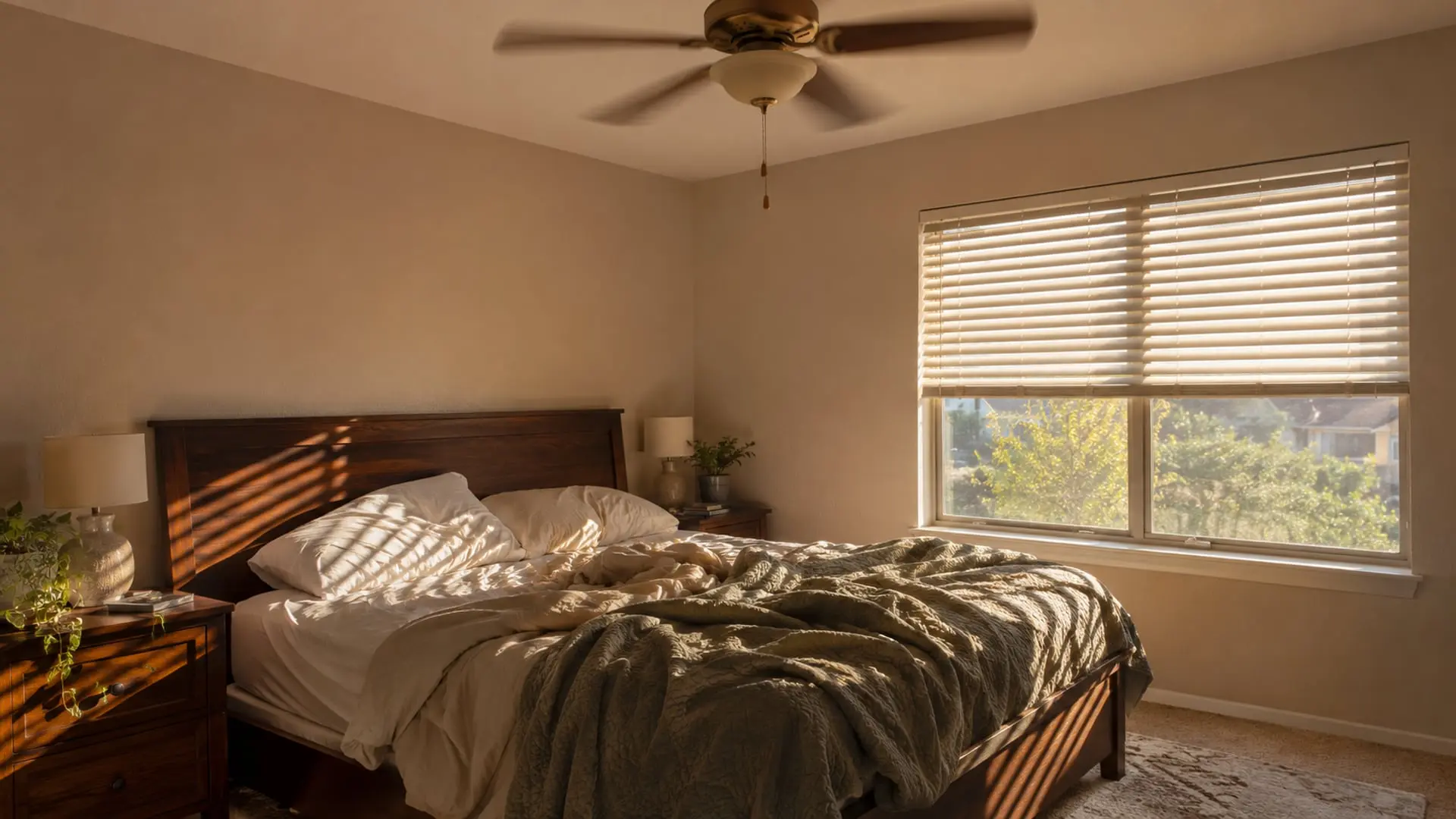
A bedroom that is too hot at night is usually still dealing with the afternoon. The attic stays hot long after dark, and a thinly insulated ceiling keeps passing that heat down toward the bed. West walls do the same thing sideways.
Then there is the door. Most bedrooms have a supply vent but no return, so the air has to leave under the door to get back to the system. Shut the door tight and less cool air can come in. The temperature creeps up while the hallway — where the thermostat is — feels fine.
Why Is One Room Colder Than the Rest of the House in Winter?
Flip the season and the same room turns into the bedroom that is always cold. Heat moves toward cold, so on the night a blue norther comes through, warmth from the room rises through that thin patch of insulation and out through the attic. Weak airflow means the heater cannot replace it fast enough, and you end up with one room not heating up while the rest of the house is comfortable.
Rooms over a garage, rooms on the north side, and rooms with old windows also pick up drafts. If you can feel air moving around the window trim or the outlets, our guide on why a house feels drafty walks through where those leaks come from.
A 15-Minute Check for One Room Not Cooling Down
You can narrow this down yourself before calling anyone. Pick a hot afternoon and work through this list.
- Feel the airflow. Hold your hand at the vent in the problem room, then at a vent in a comfortable room. Noticeably weaker air points to the duct.
- Check the vent and the furniture. Make sure the register is fully open and not covered by a bed, a dresser, or a rug.
- Look at the filter. A clogged filter cuts airflow to every room, and the farthest room feels it first.
- Touch the ceiling. If the ceiling in that room feels warmer than the ceiling in the hallway, the insulation above it is probably thin.
- Measure the attic insulation with a ruler. From the attic hatch, check the depth over that room if you can see it. If the tops of the ceiling joists are showing, there is not enough.
- Follow the duct. With a flashlight, look for a flex duct that is flattened, sharply bent, or disconnected.
- Note the sun. Check which direction the room faces and whether the windows have any shade after 3 p.m.
Save the attic steps for early morning, stay on the framing near the hatch, and keep it short. A summer attic is dangerously hot by afternoon.
How to Fix Uneven Temperatures in Your House
The fix depends on which cause you found.
- Thin or patchy attic insulation: Blown-in insulation added over the existing layer brings the whole ceiling up to an even depth. See how we handle attic insulation in San Angelo.
- Additions, garage conversions, and rooms over garages: These often have walls or sloped ceilings that loose-fill cannot reach. Spray foam insulation fills those cavities and seals air leaks in the same pass.
- Duct trouble: A crushed or disconnected run needs to be straightened, reattached, and sealed. If the registers are packed with West Texas dust, air duct cleaning clears out the buildup.
- Sun: Solar screens, shade trees, or heavier curtains on west windows cut the afternoon load.
One thing we would not count on is closing vents in the comfortable rooms to force air to the hot one. It raises pressure in the ductwork and tends to cause new problems without solving the first one.
How to Keep a Bedroom Cool Until It Is Fixed
- Close blinds and curtains on sun-facing windows by early afternoon.
- Leave the bedroom door open, or cracked a few inches, so air can get back to the return.
- Run the ceiling fan while you are in the room and turn it off when you leave. Fans cool people, not rooms.
- Switch the thermostat fan to On for an hour before bed to mix air between rooms.
- Move heat-makers — a gaming computer, a big TV, a mini fridge — out of the room, or shut them off at night.
These help you sleep. They do not change why the room is hot.
When One Room Not Cooling Is Really an AC Problem
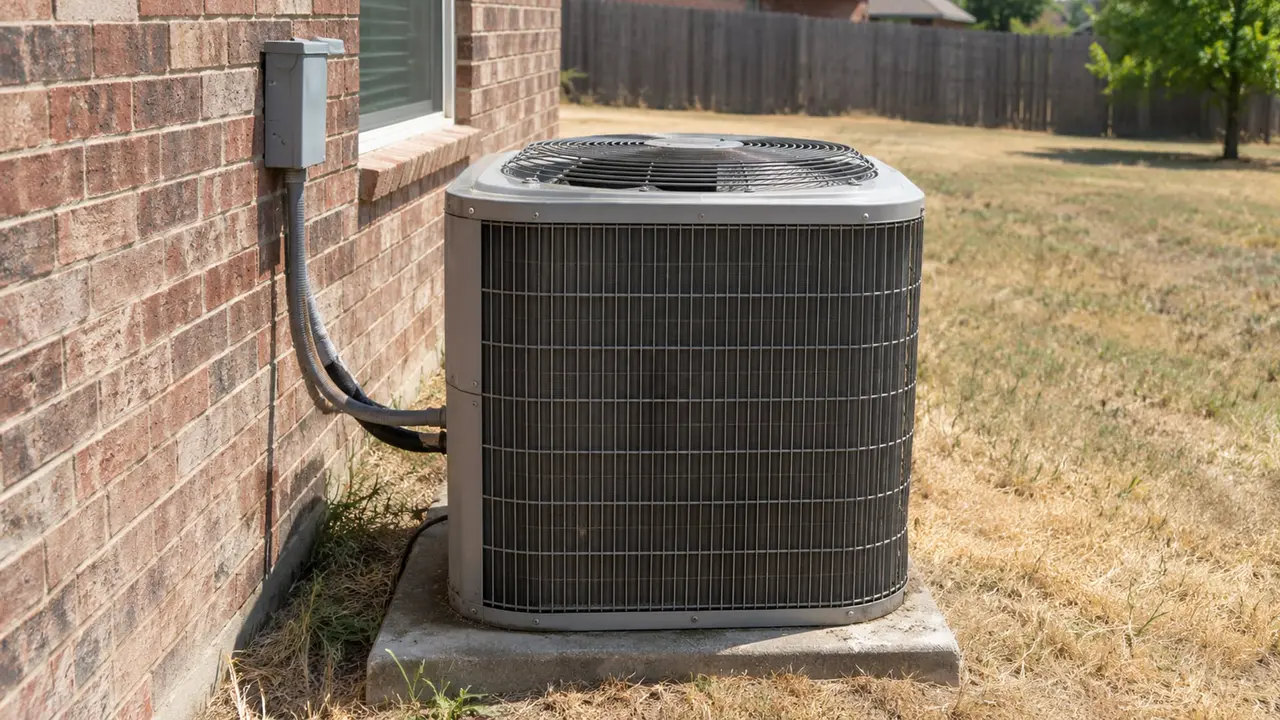
We are insulation contractors, not an HVAC company, so here is the honest line between the two. If every room is warm, the air from the vents is not cold, there is ice on the copper line at the outdoor unit, or airflow is weak at every vent, the equipment needs attention. Low refrigerant, a frozen coil, a failing capacitor, or ductwork that was undersized from the start are jobs for an HVAC technician. So are dampers and duct balancing.
If the system cools most of the house fine and just runs a long time doing it, read why an AC runs all day. That one usually leads back to the attic.
Have the Attic Above That Room Measured in San Angelo
If your checks point to insulation, we will come out, measure the depth over the problem room and the rest of the attic, and tell you what we see — including when insulation is not the answer. Quotes are free. Look at our current specials before you call, then reach us at (325) 234-2247 or use the form below.